Off-Grid & Passive House Living — Canada
Building and living with less energy, without compromise
Grounded information on passive solar construction, water reuse, renewable power, and low-energy building standards for Canadian properties — from mild coastal climates to northern cold zones.
Browse topicsRecent articles
Practical coverage of energy-efficient construction, off-grid systems, and sustainable building methods relevant to Canadian conditions.


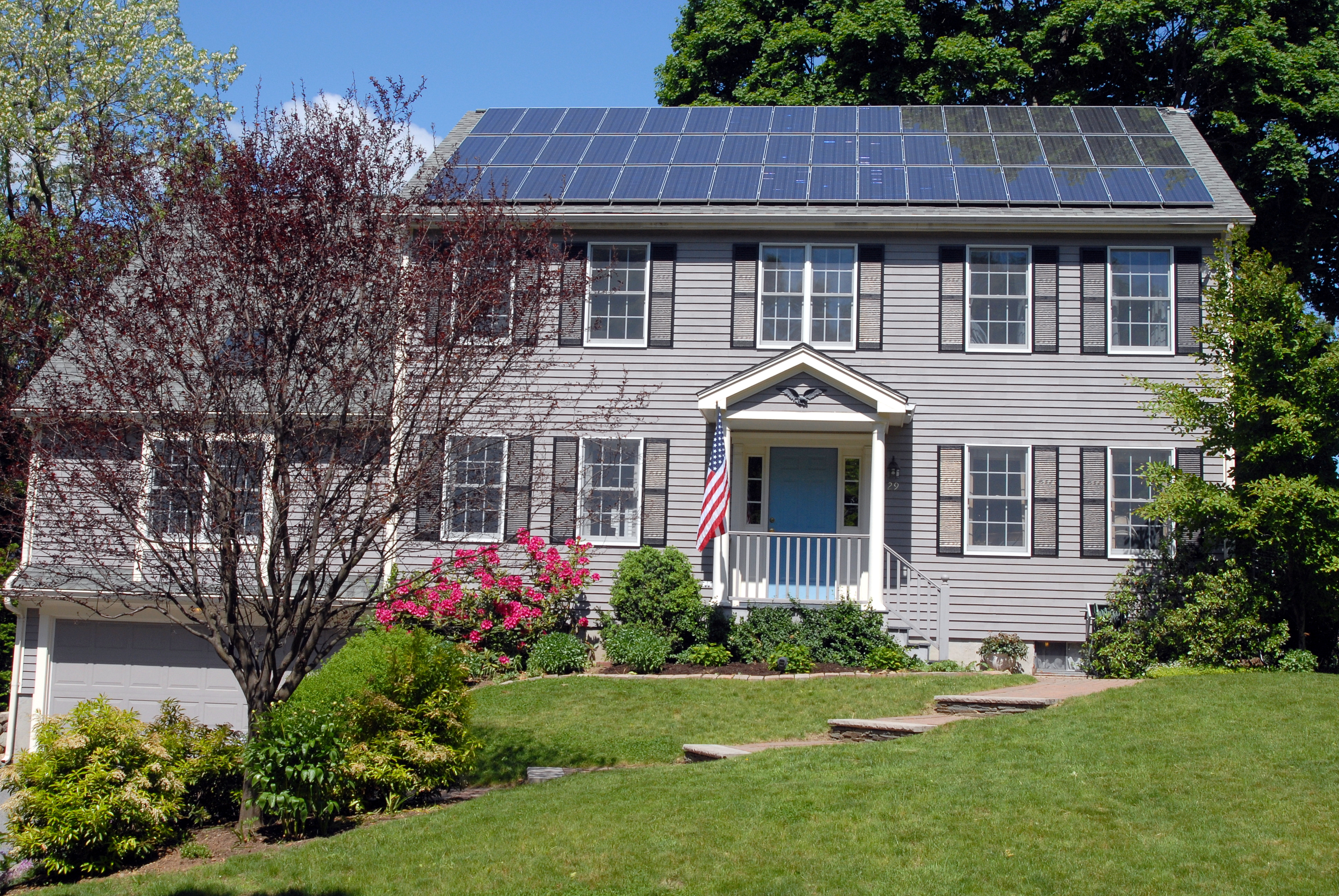
Passive house construction reduces heating demand by up to 90%
The Passive House standard, developed in Germany and increasingly adopted across Canadian provinces, defines a building envelope tight enough that mechanical heating becomes largely supplemental. In cities like Ottawa and Edmonton, where heating degree days regularly exceed 4,500, the model is particularly relevant.
Read the full breakdownKey areas of focus
The topics covered here reflect the practical decisions people make when designing or retrofitting properties with lower energy and resource inputs.
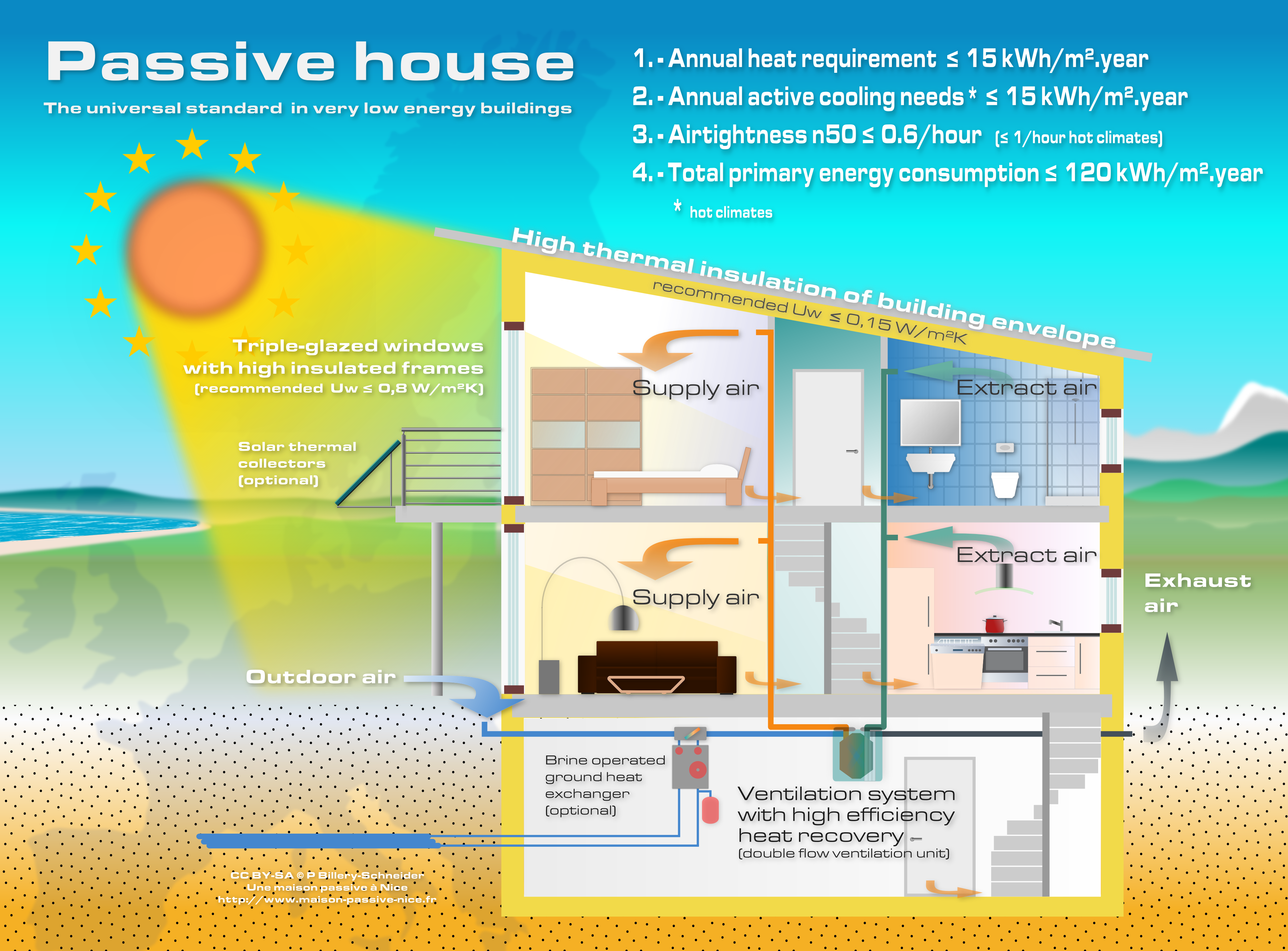
Thermal envelope design
How airtightness, insulation depth, and thermal bridging interact to determine a building's heating and cooling demand in cold Canadian climates.

Water reuse and conservation
Greywater diversion from showers and sinks, constructed wetland disposal, and compliance with provincial plumbing codes that vary significantly across Canada.

Off-grid power systems
Sizing photovoltaic arrays, battery banks, and small wind turbines for properties beyond the utility grid, accounting for Canadian seasonal solar irradiance data.
Canada's building codes are shifting toward net-zero readiness
The 2020 National Building Code introduced provisions for a tiered energy performance framework, with provinces like British Columbia and Ontario adopting increasingly stringent targets. Understanding where these codes are heading helps inform decisions made today about insulation thickness, window specifications, and mechanical ventilation design.
Passive house standards explainedFrequently referenced standards and resources
The following external sources are cited regularly across this site. They represent the primary technical references used in Canadian energy-efficient building.
Passive House Institute (PHI)
The originating body for passive house certification criteria, climate zone data, and the PHPP energy modelling spreadsheet used by most certified designers in Canada.
Natural Resources Canada — Renewables
Federal data on solar radiation maps, wind resource atlases, and incentive programs including the Canada Greener Homes Grant, which ended in 2024 but shaped a generation of retrofits.
Canada Mortgage and Housing Corporation (CMHC)
Research publications on airtightness testing, moisture management in cold-climate walls, and the EnerGuide rating system used in Canadian home energy assessments.
Built Green Canada
A national green building certification body covering residential construction with measurable performance thresholds for energy, water, and indoor air quality.
Questions about passive construction or off-grid systems in your province?
Use the contact form below to send a question or describe your project. Responses are provided from Ottawa, Ontario and typically reflect conditions in eastern and central Canada, though many principles apply nationally.
Send a messageContact
To submit a question or request additional information about a topic covered on this site, fill out the form below.